
Texas Area Planetary Sciences Meeting
August 20, 2026 – August 21, 2026
Viewing in Central TimeAdjust
Countdown to TAPS:
- Days0
- Hours0
- Minutes0
Keynote Speakers
TAPS 2026 is excited to announce our keynote speakers for this year's conference.

Ben Bussey
Intuitive Machines

Clive Neal
University of Notre Dame

Kevin Scholtes
Firefly Aerospace
EVENT DETAILS
August 20, 2026 – August 21, 2026
8:00 AM-5:00 PM
Viewing in Central TimeAdjust
Commons Conference Center
2901 Read Granberry Trail
Austin, TX 78758
Commons Conference Center
2901 Read Granberry Trail
Austin, TX 78758
United States of America
A Google Maps street map showing the location address.
ABOUT TAPS
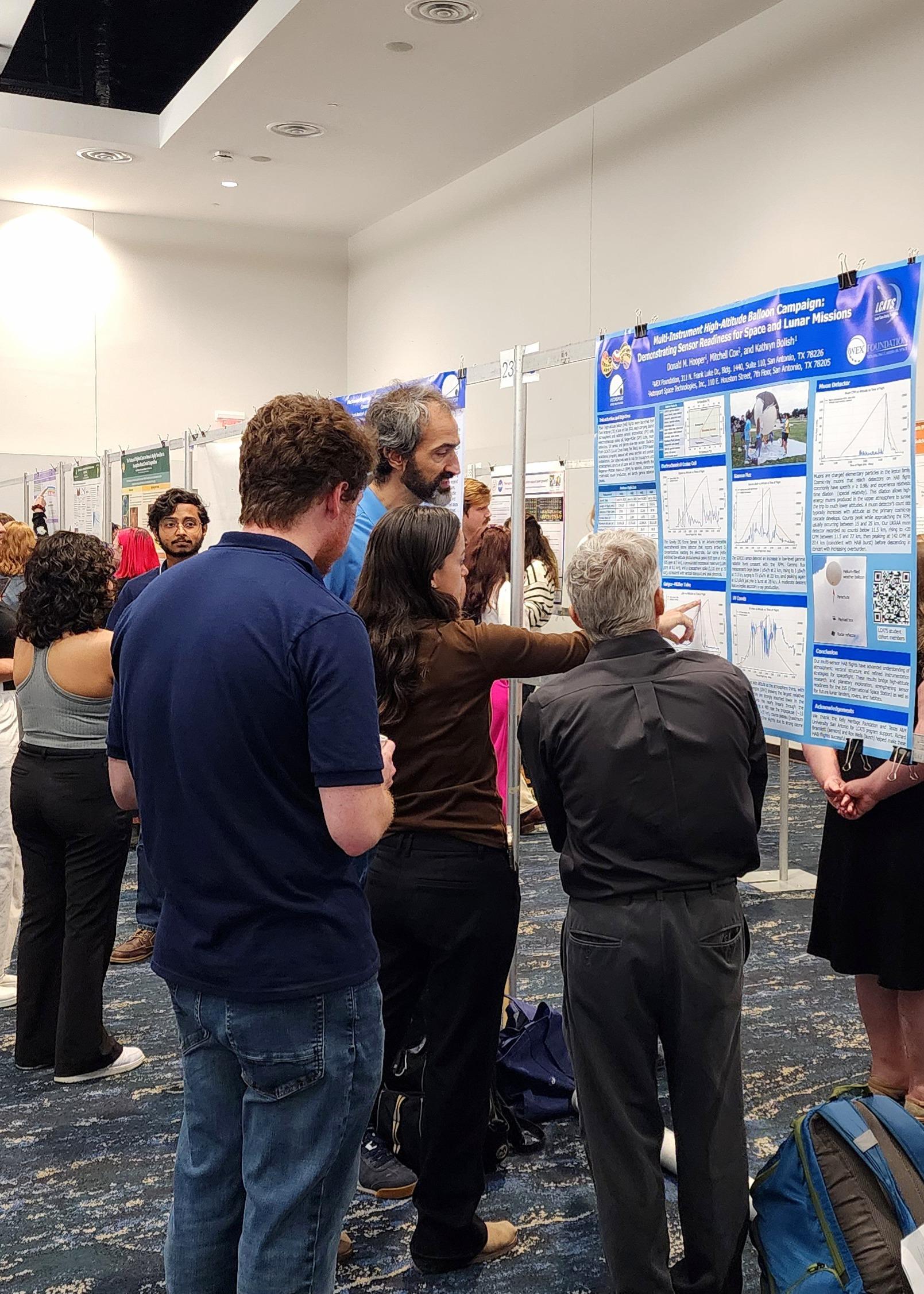
The Texas Area Planetary Science (TAPS) Conference is a pioneering event, marking the first conference of its kind in the Texas area. TAPS is designed with three key objectives to foster a more robust local planetary-exoplanet science community.
- Community Building: TAPS aims to bring together scientists, researchers, and enthusiasts from various institutions to form a dynamic network of individuals passionate about this field. The conference facilitates meaningful interactions and collaborations, laying a strong foundation for scientific advancements in the planetary-exoplanet-astrobiology science fields in Texas.
- Showcasing Local Resources: TAPS provides a platform for participating institutions to highlight their state-of-the-art laboratory facilities, advanced technologies, and computational resources. This visibility not only raises awareness but also encourages partnerships and resource sharing across institutions, ultimately benefiting the broader scientific community.
- Knowledge Sharing: As a regular gathering for knowledge sharing and intellectual stimulation, TAPS offers experts a platform to present their latest findings, discuss emerging trends, and explore new frontiers in planetary-exoplanet-astrobiology science together.
Through these initiatives, TAPS is positioned to drive scientific progress, enhance collaboration, and propel Texas to the forefront of planetary-exoplanet-astrobiology research.